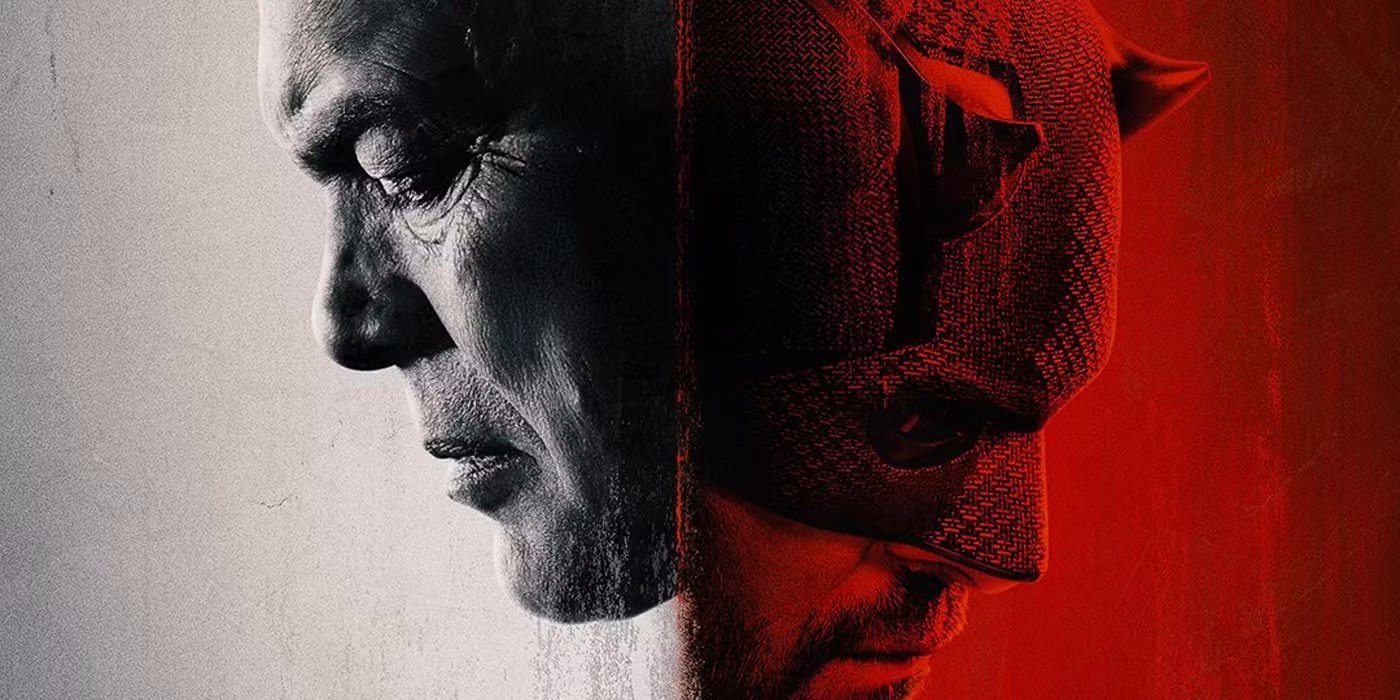
 The courtroom is just another battleground—and Matt Murdock swings just as hard in a suit as he does in the mask.
 Spoiler warning: this review covers Daredevil: Born Again Episode 3. If you want every twist firsthand, stop here. Otherwise, let’s talk about how this show makes a courtroom as thrilling as any rooftop brawl.
Superhero stories are built on action — the punches, the chases, the rooftop fights under neon. Daredevil has always thrived there. But Born Again dares to ask what happens when the most intense battle of the hour isn’t in an alley, but in a courtroom.
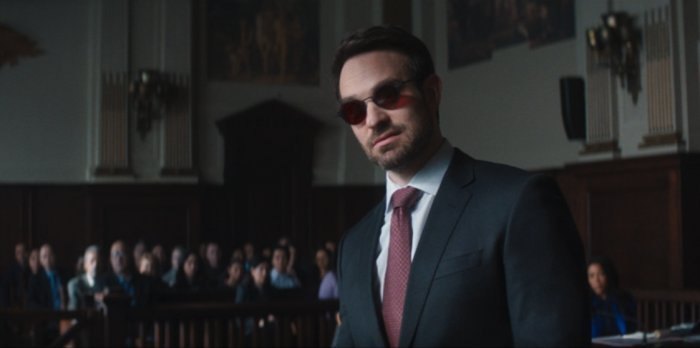
Episode 3 takes the tension of a Daredevil brawl and reshapes it into a legal thriller, where Matt fights with words, strategy, and a superhuman ability to sense deception. Even without the mask, he’s still a warrior.
Hector Ayala — also known as White Tiger — stands trial for murdering a cop. The prosecution is stacked against him, the corrupt police are pulling every dirty trick they have, and the walls are closing in. But Matt isn’t backing down. He’s done being Daredevil; he’s not done fighting for justice. And what Born Again does so well is make us feel the weight of that fight — every moment a tug-of-war between hope and inevitability, the blows landing through legal maneuvering instead of fists. Sometimes justice is won or lost in the shadows of a courtroom.
The Case That Keeps You on Edge
From the start, the case feels rigged. The corrupt cops aren’t only working against Ayala in the courtroom — they’re working outside it too, drugging witnesses, making veiled threats, stacking the deck against Matt at every turn.
Take Nicky Torres, the key witness. He knows the truth and could blow the whole case open, but the cops are a step ahead. When Matt overhears one with a Punisher tattoo mutter “Torres cannot testify,” we know what’s coming — and we still hold our breath when Torres takes the stand, only to back down under the weight of all those officers staring him down. It’s tense, frustrating, and brilliantly built.
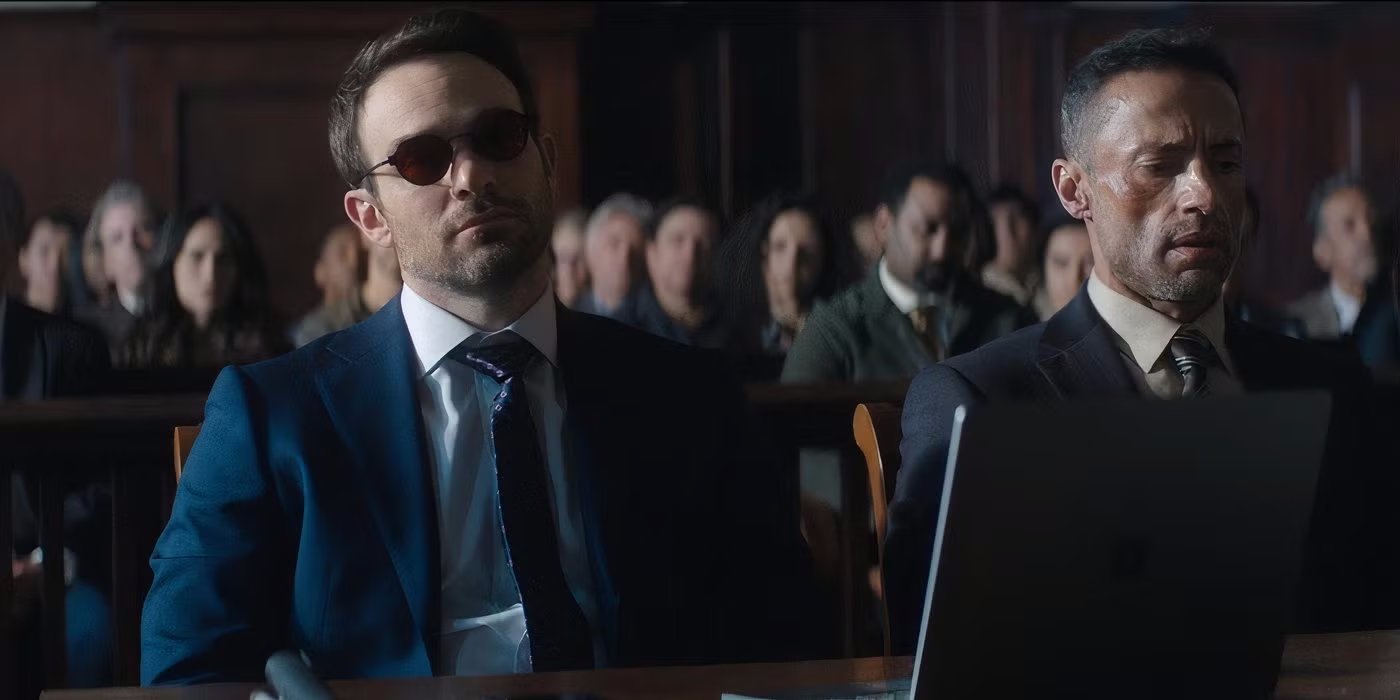
Like a street fight, the momentum keeps shifting. Every time Matt gets a breakthrough, the prosecution hits back harder, and every objection, witness, and piece of evidence pushes him closer to the edge. The episode does something rare: it turns legal maneuvering into an adrenaline rush, building the tension until every beat lands like a punch.
And in the end, the case is as much about Matt as it is about Hector. When he urges Hector to give up being White Tiger, he isn’t only trying to save him — he’s trying to convince himself he doesn’t miss being Daredevil.
The Lawyer With Superpowers
Matt has always been a fighter, and he knows when to strike and when to hold back, in a dark alley or a courtroom alike. His senses don’t just help him in a brawl, they make him a devastating lawyer: he hears every heartbeat in the room, every breath of hesitation, every shift in emotion. In a trial like this, that’s everything.
The best example comes when Hector is about to lose it. As the prosecution paints White Tiger as a killer, twisting the narrative into something ugly, Matt hears Hector’s breathing change. He doesn’t need to see his face; he can feel the anger bubbling up. Hector’s about to stand, to call them out, to defend himself — which is exactly what the prosecution wants. So Matt calms him with a subtle nudge and a quiet word. Not yet. Stay in control. It’s a masterful beat, because it shows his real strength isn’t in the punches, it’s in knowing when to hold back.
The fight here isn’t against the law itself, it’s against the people manipulating it — the corrupt cops outside the room pulling strings and setting traps to keep justice just out of reach. Matt does everything in his power to outplay them without ever breaking the rules. But deep down he already knows: sometimes the law isn’t enough.
A Speech That Hits Like a Punch
Hector Ayala isn’t only defending himself in this trial, he’s defending every masked hero who ever put their life on the line for someone else. The courtroom is against him, the police are against him, the whole system is against him — and when he takes the stand, he doesn’t waver. The defense lays out evidence of every life he saved, every officer he protected, every civilian who walked away safe because of him. White Tiger wasn’t a criminal waging war on the police. He was doing the right thing.
And then comes the moment. Hector leans into the microphone and, for the third time, says it:
“It’s the right thing to do.”
The line shouldn’t carry as much as it does, but it lands like a knockout — because it isn’t just about him. It’s about all of them. Matt. White Tiger. Every hero who ever put on a mask to make the world safer. It’s the core question of the whole show: does being a hero still matter when the world refuses to believe in them?
For a moment it feels like justice might actually win, like Matt has finally outmaneuvered the system. The jury delivers its verdict: not guilty. A real victory, the kind that says the law can still work. And then, just as quickly, it all comes crashing down.
The Color Grading That Tells a Story
Born Again doesn’t only tell its story through dialogue and action — it tells it through light and shadow, warmth and cold. And Episode 3 does some of its best visual work during the jury’s deliberation and the verdict.
At first the scene looks simple: sunlight streaming through the courtroom windows. But look closer. The sunlight itself is cold and blue — not the usual warm glow of natural light but something icy and detached, casting a sterile, lifeless pall over the room. It’s the uncertainty made visible, the fear that justice may not come. But where that light lands — the floor, the chairs, and most of all Matt himself — it turns warm, golden-orange.
That contrast is doing more than style — it’s a metaphor for Matt’s role in the trial. The cold light is the system: detached and impersonal. The warmth is the human element, the heart of justice — and it’s still alive in Matt. He’s the only real warmth in a cold, brutal room. It’s a recurring move in Born Again, too: the biggest color shifts always come in the third act, forcing us to sit with the emotional weight of what just happened. And just as it seems justice might prevail, the warmth doesn’t last. The victory is about to be ripped away.
A Hard-Fought Victory That Turns to Tragedy
For a moment, the show lets Matt win. The jury says not guilty, and it feels earned — proof that justice can work when the right people fight for it.

This is the heart of the season’s struggle: both Matt and Wilson Fisk are trying to leave their pasts behind. Matt hung up the mask to make a difference as a lawyer; Fisk set aside brute force for something bigger than crime — legitimacy. Matt’s strategy, his control over Hector, his outmaneuvering of the corrupt cops, all of it paid off. This should be a triumph.
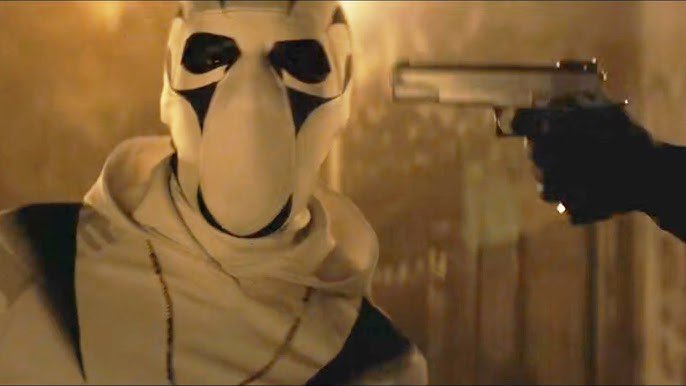
And then, in an instant, it’s gone.
White Tiger is dead.
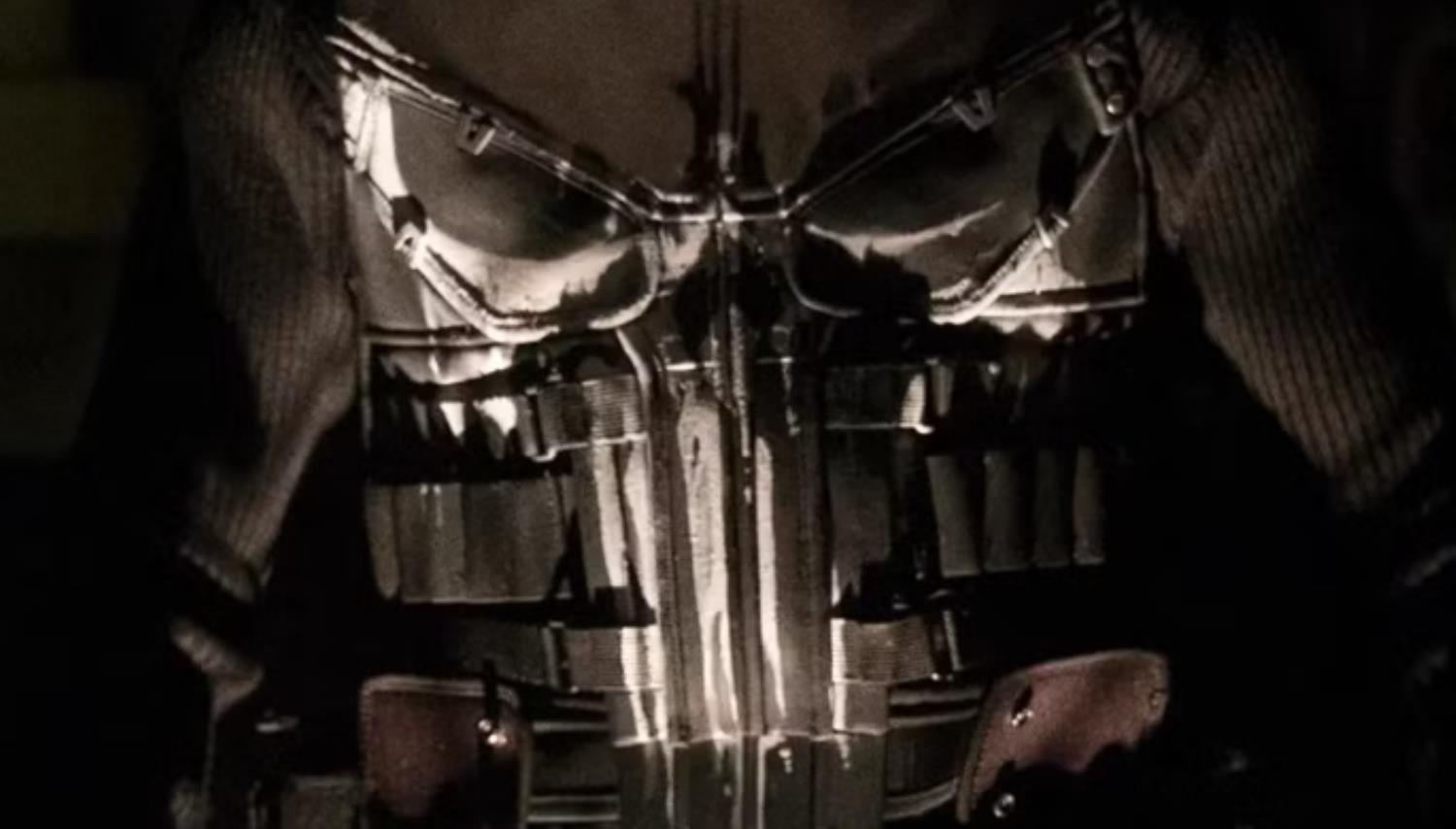
Before Hector can even breathe as a free man, he’s gunned down in cold blood — shot by someone wearing the Punisher emblem. It’s a gut punch that flips the whole episode on its head, because now the question isn’t whether justice was served. It’s whether any of it was worth it.
But was it really Frank Castle? The skull is unmistakable, yet something feels off. Matt’s been fighting corrupt cops working in the shadows all episode — what if this is just another play? If they wanted White Tiger dead, what better cover than making it look like the work of a vigilante? And if it isn’t Castle, what happens when the real Punisher finds out his name is being used? Whoever pulled the trigger, the moment forces Matt to confront the limits of the law. He fought, he did everything right, he won the trial — and none of it mattered. Because in a city like this, the law alone isn’t enough.
Daredevil Is Never Really Out of the Fight
Matt walked into that courtroom believing he could win without the mask — that the law, flawed as it is, could still be a tool for justice, that if he argued well enough and played within the system, he could make a difference. And for a moment, it looked like he had.
But Born Again delivers a crushing reminder: justice isn’t just about verdicts, it’s about what happens next. The jury’s decision didn’t save Hector. The law didn’t protect him. And now Matt has blood on his hands again.
Fisk thought he could rise above being the Kingpin, molding New York through power instead of bloodshed. Matt thought he could leave Daredevil behind, making a difference through the system instead of through violence. Neither of them can escape who they are — and after this, neither will want to. Which leaves the real question hanging over everything: was Matt wrong to walk away from Daredevil? If he’d still been in the fight, could he have stopped this? Or, worse, is it proof that no matter what he does, the system is too broken to fix?
We already know the answer. Matt can try to be just a lawyer, Fisk can try to be just a politician, but the Devil and the Kingpin were never really gone. After this, it’s only a matter of time before the mask goes back on.