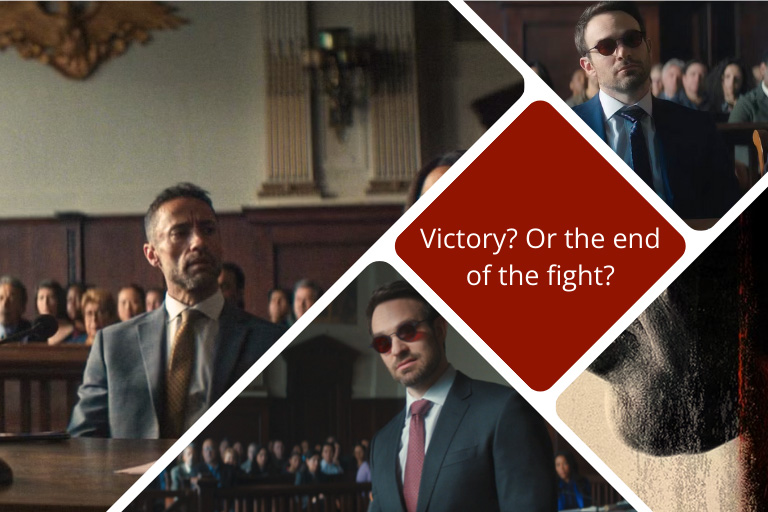
 Daredevil doesn’t return so much as resurrect — and first, everything soft and sacred has to bleed.
 Spoiler warning: this review covers the first two episodes of Daredevil: Born Again. If you want to go in blind (heh), turn back now. Otherwise, let’s talk about how this show blew up everything we thought we knew about Daredevil.
Daredevil: Born Again doesn’t tiptoe into the room. It doesn’t ease you in with a nostalgic hug — it kicks the door down, grabs your heart in its bare hands, and crushes it like Wilson Fisk testing his grip strength.
In two episodes it makes one thing clear: this isn’t the Daredevil you remember. It doesn’t tweak Matt Murdock’s story, it burns the past to the ground. Foggy, gone. Karen, missing. Daredevil himself, retired. Even the color grading tells you the warmth is gone, flickering between the cold blues of Fisk and the fiery reds of Matt’s unraveling rage.
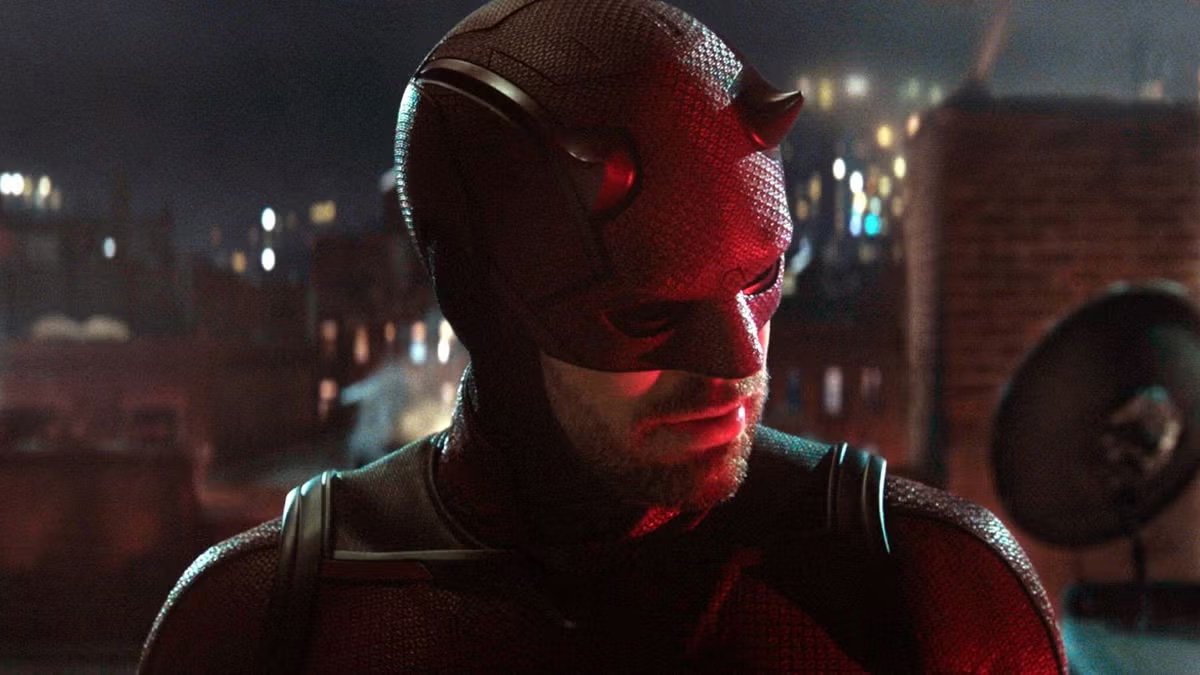
It’s a bold new take. The question is whether it works.
Foggy Is Gone — and So Is the Heart of the Show
Foggy Nelson wasn’t just Matt Murdock’s best friend, he was his anchor — the voice of reason when Matt got lost in his own darkness, the balance between the man and the mask. Killing him off in the first episode wasn’t just a shock; it was a gut-punch, one of those rare TV moments where you sit there stunned while the weight settles in. It made my wife cry. Love it or hate it, it meant something.
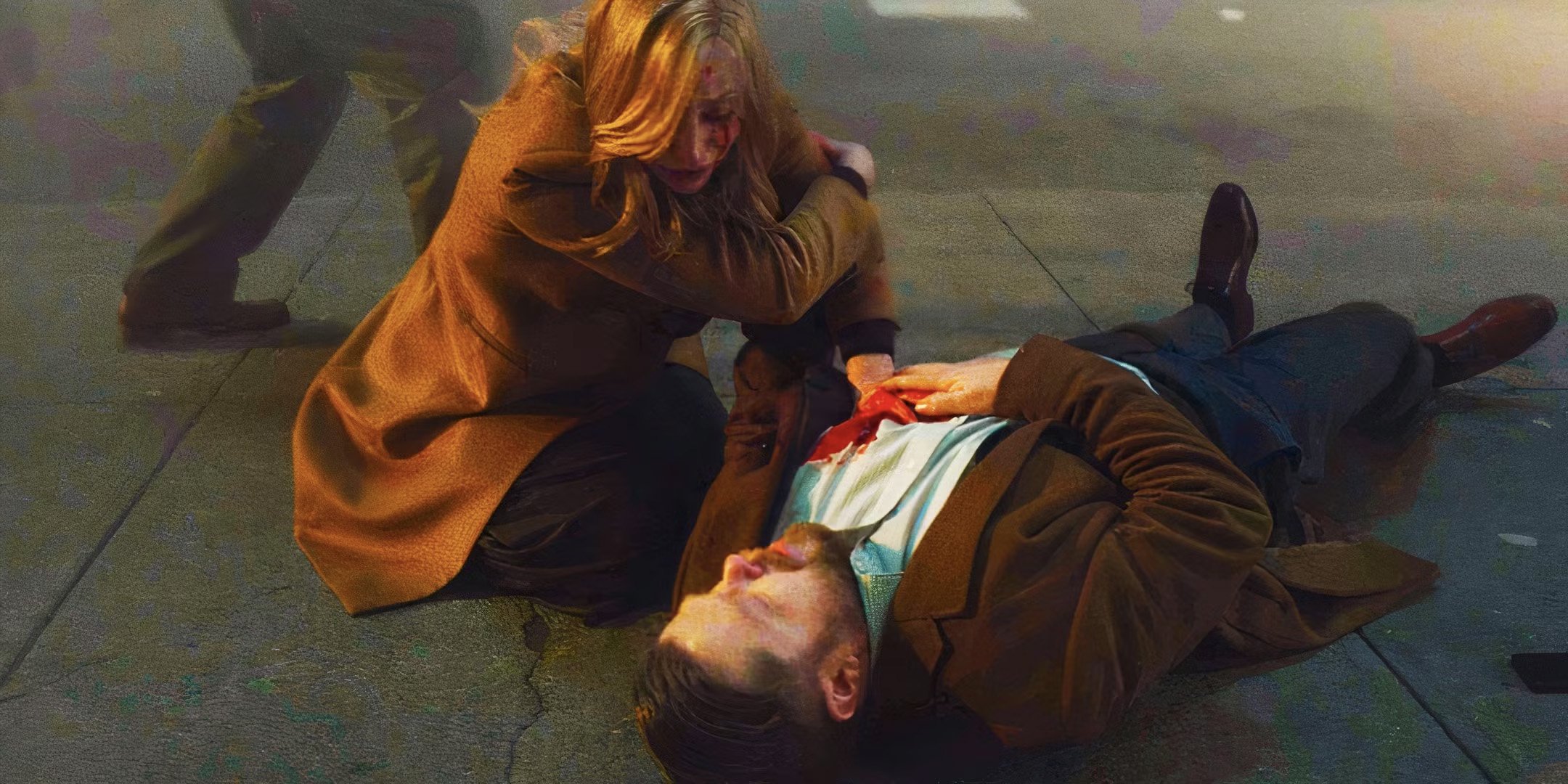
The decision is controversial for a reason. Foggy was part of what made Daredevil work, and without him Matt doesn’t just lose a friend — he loses his last tether to normalcy. Kristen McDuffie steps in as a new legal-world sounding board, and she’s sharp, with a different kind of chemistry, but she’s a replacement, not a continuation. It keeps the legal side alive — and Daredevil is a lawyer first, vigilante second — but there’s an undeniable void where Foggy used to be.
Karen’s absence only deepens it. Where is she? Why isn’t she here mourning her best friend? Her disappearance feels off, and unless the show pays it off later, it risks reading as a loose thread instead of a choice.
So was it worth it? Maybe. It’s a hell of a statement. But it leaves us with a Daredevil more isolated than ever, and that’s the real question the season is asking: can Matt Murdock survive losing the people who made him who he is?
Want to hear us hash it out? Watch me and CJ break down these two episodes over on his channel, CJack Productions.
A New Lens on Matt Murdock
Matt has always been a man trapped between two worlds — the lawyer and the vigilante, the man of faith and the devil of Hell’s Kitchen. Born Again leans into that struggle harder than ever, and it does it with some genuinely smart filmmaking.
Watch how the show reinforces his emotional state through color. When the focus is on Matt, the palette runs warm — reds, oranges, the hues of a man teetering on the edge of fire and fury. Cut to Fisk and it goes cool: blues and grays, a world of control and cold-blooded calculation. It’s subtle, just enough to keep the tension humming between the two men without clubbing you over the head with it.
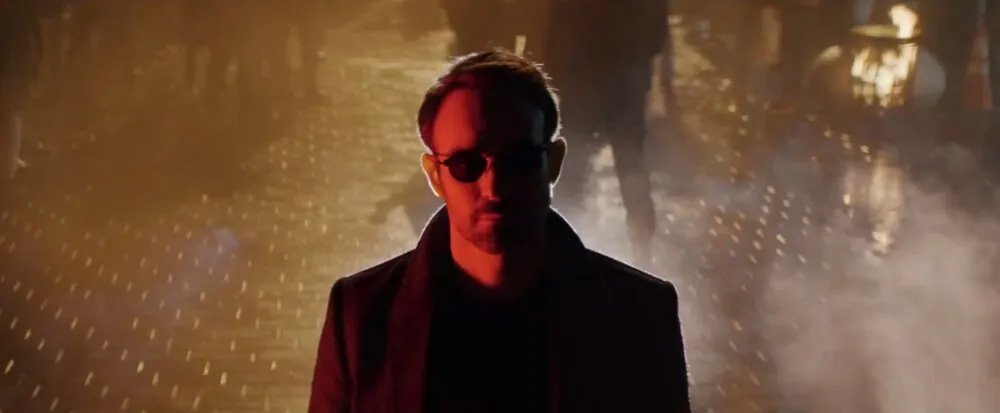
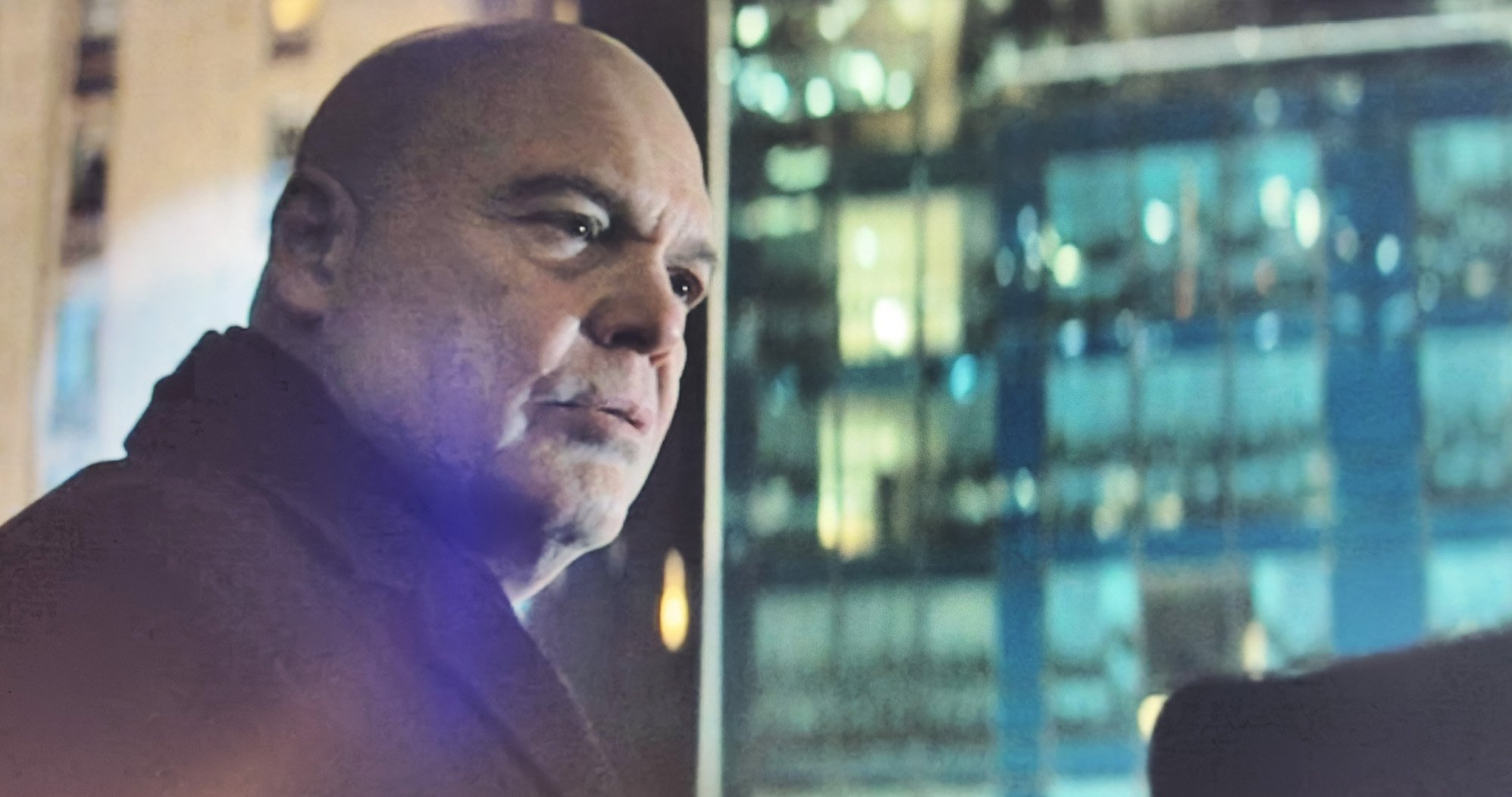
The show also leans into Matt’s blindness and heightened senses in ways we haven’t quite seen before, and the sound design is the standout. We hear the world the way he does — small noises amplified into layers, heartbeats pounding. Some people have complained it’s too much, but let’s be real: we’re all half-watching this while scrolling our phones or cooking dinner. If a quick auditory cue keeps us locked into Matt’s perspective, that’s a smart move.
Then there’s the gut-wrenching beat in the Bullseye fight. Matt doesn’t just hear Foggy’s heart stop — he hears the exact second his best friend dies, and so do we. It forces us to experience the loss the way he does: helpless, devastated, and seconds from unleashing the rage he’s spent years suppressing. That’s the whole trick of these two episodes. The show isn’t telling us Daredevil is broken; it’s framing the world so we feel it — the warm hues burning out, the precise soundscape collapsing into chaos, Matt alone in the middle of it.
The Brutality Factor: Has Daredevil Gone Too Far?
Daredevil has always been brutal. He’s not Spider-Man, swinging in with quips and webbing up bad guys for the cops; he’s not Captain America, fighting with honor and restraint. Matt walks the line between justice and vengeance, and Born Again pushes that line harder than ever.
The Bullseye fight is the kind of knock-down, drag-out brawl fans live for — fast, visceral, desperate. What makes it land is that midway through, Matt hears Foggy’s heart stop, and something breaks. Suddenly it isn’t a fight, it’s an execution waiting to happen, and you can feel the shift in his body, the new violence in his strikes.
That was the warm-up. Episode 2 cranks it further when Matt takes on the corrupt cops. This isn’t the precision fighter from the Netflix run methodically dismantling opponents — this is a man ripping through people in rage. It’s messy, ugly, hard to watch, and that’s the point.
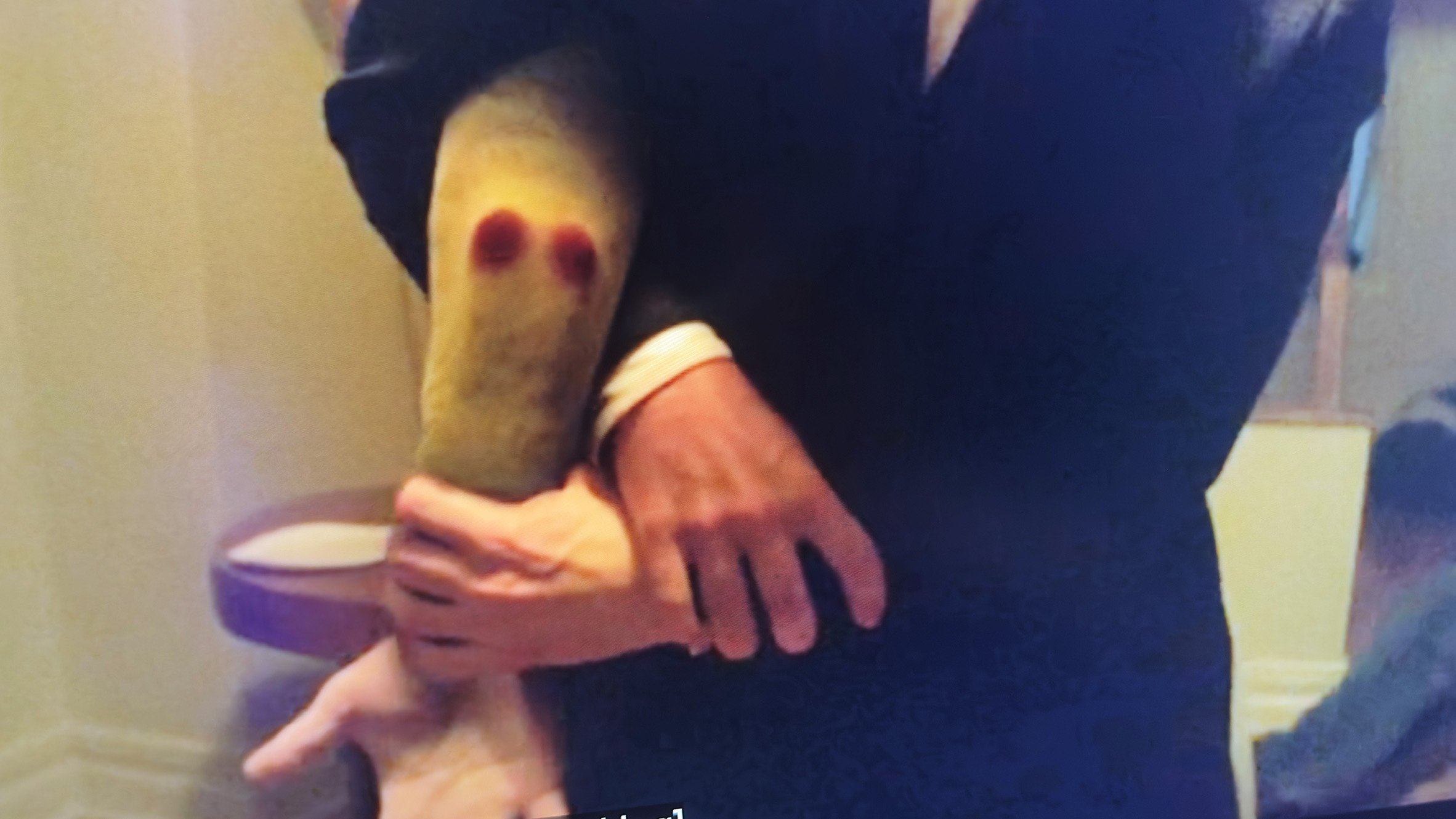
By the time it’s over he’s literally screaming in frustration. This isn’t heroism, it’s a man spiraling — and it leaves the question hanging: has Daredevil finally lost control? From a cinematography standpoint the scene is masterful, the lighting and camera work dropping us right into the chaos. From a character standpoint it’s dangerous territory, because if Matt lets himself become the thing he fights, then Daredevil dies no matter how many times he puts the mask back on. And right now, it sure as hell looks like he’s standing at the edge.
The He-Man Parallel — Does It Hold Up?
We’ve seen this move before: a long-awaited revival of a beloved character that rips that character away almost immediately, leaving fans wondering what they signed up for. He-Man and the Masters of the Universe: Revelation did it, sidelining He-Man out of the gate and making the story about everyone except him. Fans felt baited.
So is Born Again doing the same thing? On the surface, maybe. We get one incredible Daredevil fight and then he’s done, suit hung up. For fans who waited years to see Matt back in action, it can feel like the show saying nope, not what we’re doing here.
But here’s the difference: Born Again isn’t erasing Daredevil, it’s breaking him down to rebuild him. Matt’s decision to walk away isn’t arbitrary; it’s the fallout of Foggy’s death, his growing rage, and the fear that he might not be able to stop himself anymore. He’s not being shoved aside for someone else’s spotlight — it’s still his story, just told through how he comes back rather than whether he can punch through the pain. Where He-Man promised one thing and delivered another, Born Again states its premise plainly: this is the darkest chapter of Matt Murdock’s life. It’s a calculated gamble that we’ll stay invested enough to spend time in the trenches with him.
Will it work? If Matt stays sidelined too long, or his return doesn’t feel earned, it’ll frustrate people. But right now it feels like setup for something bigger — the kind that makes a comeback feel legendary. Pull that off, and this isn’t another He-Man misfire. It’s one of the boldest Daredevil stories ever told.
What This Means for Daredevil’s Future
For years Daredevil lived on the fringes of the MCU. Matt showed up in Spider-Man: No Way Home, had a cameo in She-Hulk — nods and Easter eggs, ways to acknowledge him without committing. Born Again is different. The first two episodes waste no time tying him to the larger universe, with direct references to Spider-Man, the Punisher, and the fallout of past events. For the first time we’re not watching a Daredevil show, we’re watching the Daredevil of the MCU — the version that can cross paths with the big names in a way that feels natural instead of a fun “what if.”
That raises a worry, though. This show is dark and brooding, emotionally raw — exactly what makes Daredevil great, and a stark contrast to the usual MCU formula. Can Marvel keep that edge while folding him into the broader universe, or will there be pressure to soften him for future crossovers?
And then there’s Fisk.
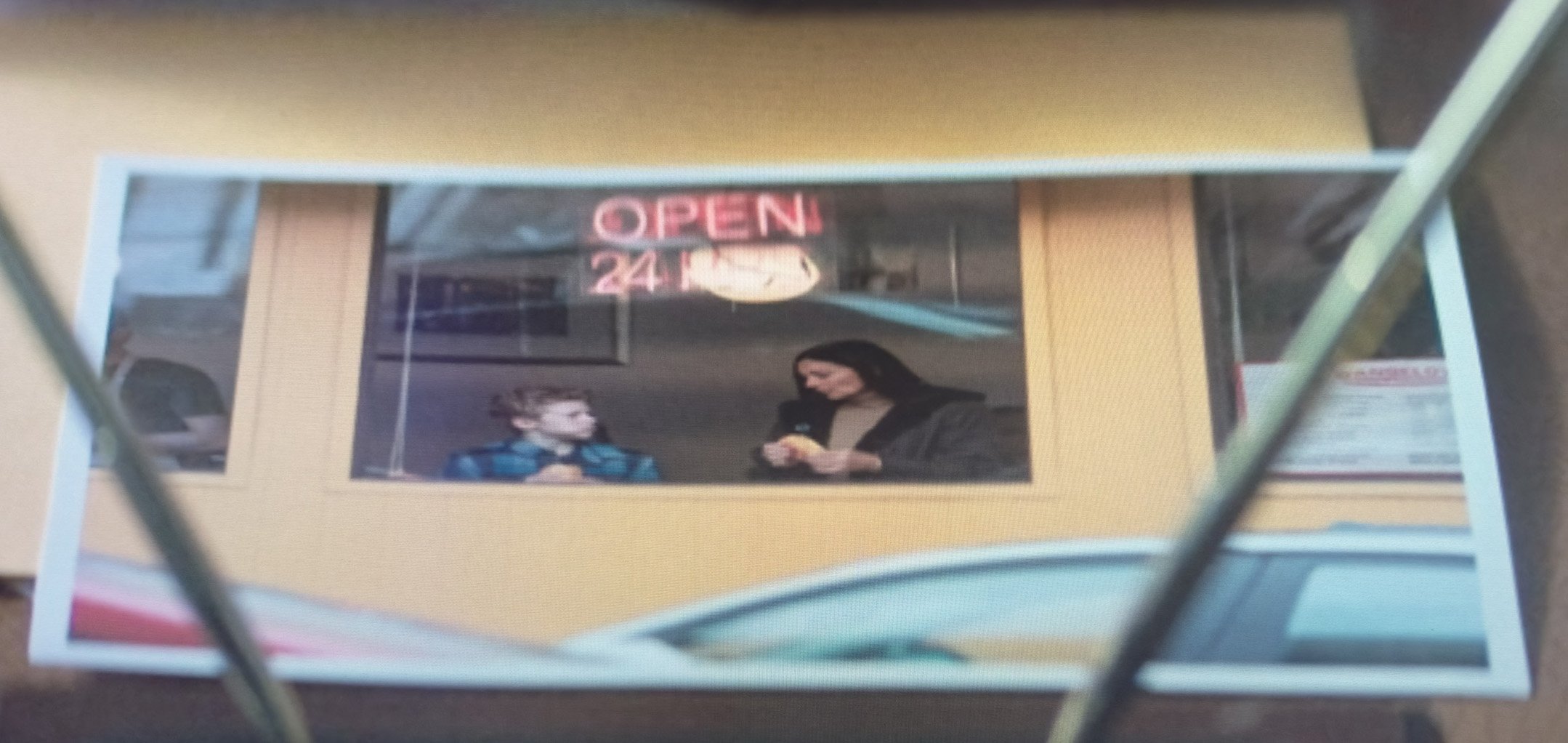
Wilson Fisk is setting up a massive power move, and the run for mayor is just the start. With Kingpin now cemented in the MCU, this gets bigger than Daredevil — his influence can stretch across the whole street-level roster. Picture him clashing with Spider-Man, manipulating the Punisher, running the city from a high-rise while the heroes scramble to figure out how to stop him. Born Again isn’t just a reboot, it’s a declaration that Marvel is ready to pull these characters onto the main stage. The only question is whether they’re willing to go all the way.
A Bold New Path — But at What Cost?
Daredevil: Born Again isn’t interested in playing it safe. It doesn’t shake up the status quo so much as obliterate it: Foggy dead, Karen gone, Matt spiraling, the Daredevil we expected retired. Whether you love it or hate it, it’s got guts.
The real question is whether it can stick the landing. Killing Foggy was a risk — handled well, it’s the emotional catalyst for one of the most powerful stories in the character’s history; handled badly, it’s shock value. Matt’s descent is gripping, but only if we get to watch him claw his way back in a way that feels earned. The same goes for the bigger picture: the show is planting Daredevil firmly in the MCU and putting Kingpin on the road to real political power, making big, irreversible choices. That’s exciting, but it means Marvel has to commit — has to let Daredevil be Daredevil, brutal and conflicted and full of Catholic guilt and bad decisions. Pull their punches now, get scared of going too dark, and everything these two episodes are building will crumble.
But right now? This feels like the most daring Daredevil story in years. I can’t wait to see where it goes.